The Romance Behind Every Bite:
Published · Flower Blog
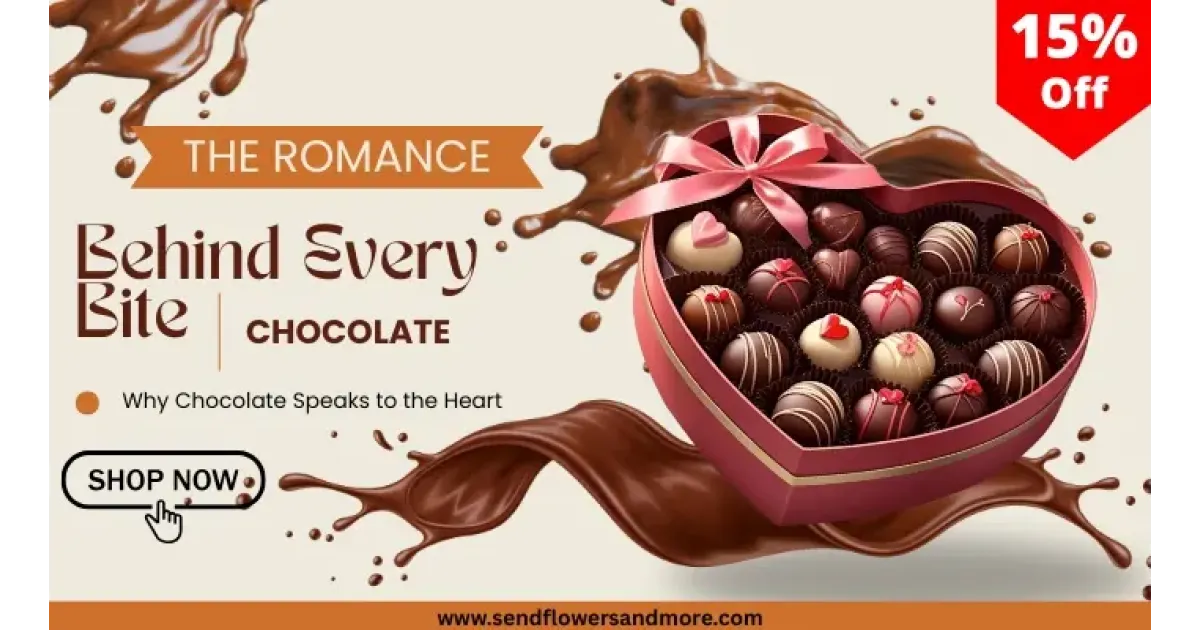
Why Chocolate Speaks to the Heart
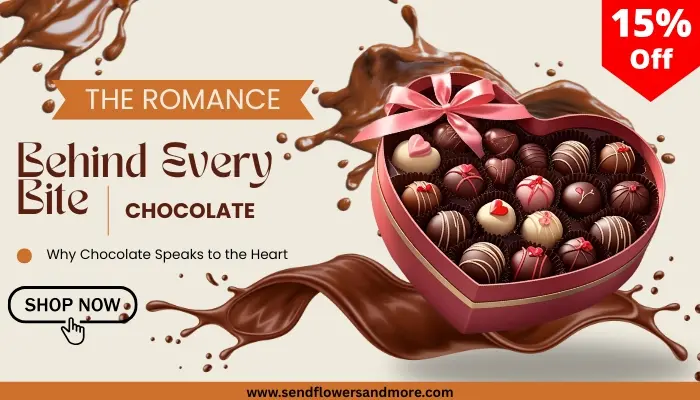
Unwrapping a box of chocolates from a loved one has an undeniable magical quality. It's a sensory experience that feels like a hug for the heart, with the shiny ribbon, the soft rustle of the wrapping paper, and the rich cocoa scent that greets you before you take your first bite. Chocolate has a way of making ordinary moments into cherished memories, whether it is shared by candlelight, given on Valentine's Day, or given as a sweet apology.
A Sweet History of Love: Chocolate’s Romantic Origins
Long before chocolate became the heart-shaped treat we know and love today, it held deep cultural and emotional meaning for civilizations across the world. Both its flavor and its journey from sacred ritual to romantic symbol are rich.
Ancient Roots: Mayans and Aztecs Using Cacao in Rituals and Love Potions
Chocolate’s story begins in Mesoamerica, where the Mayans and Aztecs revered cacao as a gift from the gods. Far from the sweet confections we enjoy today, they consumed it as a bitter, frothy drink, often mixed with spices like chili or maize. Cacao was a drink that the Mayans used as a symbol of prosperity, fertility, and spiritual unity. This included marriage ceremonies.
For the Aztecs, cacao beans were so valuable they were used as currency—and as aphrodisiacs. It is said that Emperor Montezuma consumed a lot of cacao before going to see his wives to make him more virtuous. Chocolate box online was more than just a food in this ancient culture—it was sacred, sensual, and powerful.
Introduction to Europe: Chocolate as a Luxurious and Exotic Gift for Nobility
When Spanish explorers brought cacao to Europe in the 16th century, it was immediately embraced by the elite. Sugar was added to sweeten the bitter brew, transforming it into a decadent treat fit for royalty. In royal courts, especially in Spain, France, and England, chocolate drinks became popular.
Over time, its association with opulence, indulgence, and courtly love intensified. European chocolatiers began creating rich confections that represented both opulence and passion, and aristocrats began exchanging extravagantly packaged chocolates as tokens of affection. Chocolate's appeal as a romantic gesture had officially spread across the Atlantic and established itself.
The Chemistry of Connection: Why Chocolate Affects the Brain
Romantic chocolate delivery not only tastes like love, but it also makes you feel like love because of a fascinating combination of naturally occurring compounds that make the brain feel good. Chemistry is just as important as flavor. Because of this, a single bite has the power to improve your mood, soften your heart, and make the act of giving (or receiving) chocolate feel more emotional.
Natural Feel-Good Chemicals: Serotonin, Dopamine, and Phenylethylamine
Chocolate is packed with compounds that stimulate the brain’s reward system. Three of the most influential players are:
-
Serotonin – Often referred to as the “happy chemical,” serotonin helps regulate mood and promotes feelings of well-being and relaxation.
-
Dopamine – The “pleasure chemical” released during rewarding activities—like eating chocolate—makes us feel satisfied and even euphoric.
Combined, these chemicals explain why eating chocolate can feel so comforting and emotionally charged—especially when it’s shared between people who care for each other.
Chocolate and Endorphins: The Science Behind That ‘Falling in Love’ Feeling
Chocolate also stimulates the release of endorphins, the body’s natural painkillers and mood enhancers. These chemicals not only alleviate pain and stress, but they also produce feelings of calm and pleasure. Chocolate is often a go-to food for comfort and is associated with intimacy because of this.
It's interesting to note that exercising, laughing, and yes, falling in love all produce the same rush of endorphins. When gifted in a romantic context, chocolate delivers a physiological response that mirrors emotional connection. It's a sensory way to get closer.
Why Giving Chocolate Literally Makes People Feel Loved
Beyond taste and chemistry, there’s something psychologically powerful about the act of giving chocolate. It's personal, indulgent, and tactile—all characteristics of a thoughtful and affectionate gesture.
Giving someone chocolate is more than just a sweet treat. You are eliciting a biochemical boost, positive memory association, and emotional warmth. That's why chocolate brings people together on Valentine's Day, why friends give it to each other when things get tough, and why a box of truffles can sometimes say more than a thousand words.
Symbolism in Every Square: What Chocolate Represents in Love
Chocolate has long been regarded as more than just a tasty treat. In the language of love, its silky texture, decadent flavor, and elegant presentation make it a powerful symbol. One of the most expressive gifts you can give is a square, truffle, or bonbon because they all carry emotional significance.
Indulgence and Intimacy: Why Rich Flavors Signify Deep Emotion
There’s a reason we reach for chocolate during life’s most meaningful moments. Its rich, melt-in-your-mouth texture and layered flavors tap into feelings of luxury, comfort, and closeness. Chocolate is an indulgence—we don't need it, but we crave it. This indulgence reflects the very essence of love—the longing to experience something profoundly satisfying to the emotions.
A moment of intimacy is created when you share chocolate with someone. "You deserve something special," you're saying. That uncomplicated act of pleasure grows into a shared emotional experience, strengthening trust and connection.
Chocolate in Romantic Moments
Chocolate has a unique way of sweetening every stage of a romantic journey, from fluttery first dates to lasting love. Timing, sentiment, and the shared emotional weight it carries are just as important as the flavor. Chocolate frequently appears in love stories as an icebreaker, a celebration, or a calming balm following a fight.
First Dates: The Role of Chocolate in Breaking the Ice
On first dates, there is often a lot of uncertainty and excitement. Because of this, chocolate is frequently used as a welcoming gesture. Sharing a small chocolate bar, truffle, or dessert instantly softens the mood and gives people a sense of recognition and appreciation.
It shows thoughtfulness without pressure and creates a common ground—because who doesn’t love chocolate? Sharing a sweet moment, quite literally, opens the door for vulnerability, smiles, and maybe even the first spark.
Anniversaries & Valentine’s Day: Reinforcing Commitment and Sweetness
As relationships grow stronger, chocolate gains even more significance. It serves as a symbolic reminder of sweet memories shared and indulgent love that has strengthened over time on anniversaries.
On Valentine’s Day, chocolate reigns supreme—not just out of tradition, but because it captures the essence of romantic intention. These rituals promote intimacy, joy, and ongoing connection by sharing chocolate-dipped strawberries over wine, a heart-shaped box filled with favorite flavors, a handwritten note next to it, or both.
It’s a way of saying, “I still choose you—sweetly, intentionally, and with love.”
Apologies and Reconciliations: Chocolate as a Peace Offering
Chocolate fills in when words fail. It conveys concern, remorse, and the desire to heal, which is why it is frequently included in sincere apologies. You can convey to your partner, "I want to make things right" with a thoughtfully selected box of chocolates or handmade treat.
In addition to its emotional significance, chocolate literally lifts mood and softens emotions, which makes it a great stress reliever. Although it is not a quick way to forgive, it can be a tender way to reopen communication and reestablish intimacy one bite at a time.
Personalized Romance: How Personalized Chocolate Deepens the Connection
Romance is about little things that show how well you know someone—not just big gestures. Personalized chocolate taps into this beautifully. It transforms a treat that everyone loves into something special and meaningful that is made just for the person receiving it. When Romantic balloons is made to order, it becomes more than just a sweet treat; it becomes unique, thoughtful, and memorable.
Pairing Chocolate with Other Romantic Gifts (Wine, Flowers, Notes)
Personalized chocolate becomes even more impactful when paired thoughtfully. Imagine:
-
A box of dark chocolate truffles alongside a bottle of full-bodied red wine.
-
White chocolate roses with a bouquet of real ones.
-
A handwritten love letter tucked beneath a layer of bonbons.
Taste, smell, sight, and touch are just some of the senses that these combinations appeal to, and when combined, they produce a romantic experience with multiple dimensions. It's more than just a present; it's a memory being made.
Chocolate has proven to be much more than just a sweet treat over centuries, continents, and cultures. It is a love language in and of itself because of its abundance of emotion, chemistry, and symbolism.
It connects and comforts emotionally. Chocolate makes people feel seen, cherished, and understood, from nervous first dates to heartfelt reconciliations.
FAQs:
1.Why is chocolate considered a romantic gift?
Chocolate is associated with romance because of its luxurious taste, mood-boosting chemicals, and deep historical roots in love rituals and courtship traditions. It's a universally loved treat that symbolizes indulgence, thoughtfulness, and emotional connection.
2.What kind of chocolate is best for a romantic occasion?
Dark chocolate is often considered the most sensual and elegant, while milk chocolate is sweet and comforting. For romantic gestures, go for artisanal truffles, heart-shaped boxes, chocolate-covered strawberries, or personalized pieces with messages or initials.
3.How does chocolate affect the brain during romantic moments?
Chocolate contains chemicals like phenylethylamine (PEA), dopamine, and serotonin, which trigger feelings of pleasure, happiness, and excitement—similar to the sensation of being in love.
4.Can chocolate help in a long-distance relationship?
Absolutely. Sending chocolate via delivery services, pairing it with love notes or digital messages, or surprising your partner with midnight edible gifts is a powerful way to stay connected emotionally, even when you’re miles apart.
5.Is homemade chocolate a good idea for a romantic gesture?
Yes! Homemade chocolate shows time, effort, and care—making it deeply personal. Even simple creations like chocolate bark or dipped fruits can be incredibly meaningful when made with love.